
Commercial buildings in Wyoming, MI face a full range of seasonal stress, from summer heat to winter snow and ice, and a roof that goes unchecked between those extremes often develops problems that could have been caught early. Building owners and property managers do not need roofing expertise to build a simple, repeatable roof maintenance habit that catches small issues before they turn into expensive repairs.
Call JM Roofing Solutions at (269) 361-8305 for roof maintenance in Wyoming, MI.
Roof Maintenance Starts with Regular Drain Checks
A quick walk of the roof after any significant rainfall is one of the simplest habits a building owner can adopt. Check drain covers for leaves, debris, or granules that may have collected around the opening, since a blocked drain forces water to pool elsewhere on the roof rather than draining as designed. Standing water that has not cleared within 48 hours of a rain event is worth taking seriously, since prolonged ponding adds weight to the roof structure and accelerates wear on the membrane beneath it.
If clearing visible debris from a drain does not resolve pooling within a day or two, the blockage may be further down the drain line where it cannot be reached from the roof surface. At that point, calling a professional to inspect and clear the line is the right move rather than waiting to see if the water eventually drains on its own.
Inspecting the Membrane Surface
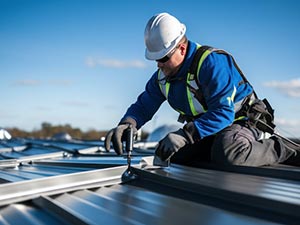
Walking the roof membrane itself once each season gives a building owner a chance to catch surface problems while they are still minor. Blistering, which appears as raised bubbles in the membrane, often signals trapped moisture or air beneath the material and tends to worsen with continued exposure to heat and sun. Cracking is another sign to watch for, particularly at seams or areas that see regular foot traffic from maintenance crews accessing rooftop equipment.
Seam separation deserves particular attention, since seams are where sections of membrane are joined and represent one of the more common points of failure on a commercial roof. A seam that has started to lift or pull apart, even slightly, should prompt a call to a professional rather than a wait and see approach, since minor separation tends to worsen quickly, particularly during periods of temperature swings.
Checking Flashing and Metal Components
Flashing around rooftop curbs, vents, and other penetrations is one of the most common places where leaks originate, since these areas involve multiple materials meeting at a single point and require careful sealing to stay watertight. During a seasonal walkthrough, check that flashing remains firmly attached and free of visible gaps or lifting at the edges.
Visible rust or corrosion on metal components, including flashing, fasteners, and rooftop equipment supports, is worth documenting and monitoring over time. A small amount of surface rust is not necessarily an emergency, but corrosion that appears to be spreading or has begun compromising the structural integrity of a metal component warrants a professional assessment before it worsens.
Building a Simple Roof Maintenance Routine
The building owner who adopts these habits, checking the roof after major weather events along with a seasonal walkthrough each spring and fall, is well positioned to catch small problems early. Documenting what is observed during each walkthrough also creates a useful record over time, helping identify recurring problem areas that may need more attention.
For roof maintenance in Wyoming, MI, contact JM Roofing Solutions at (269) 361-8305 today.
FAQ
What should I look for during a commercial roof walkthrough?
Focus on drain covers and any debris accumulation, the general condition of the membrane surface for blistering, cracking, or seam separation, flashing around curbs and other penetrations, standing water that has not drained within 48 hours of rain, and any visible rust or corrosion on metal components.
How often should a commercial roof be professionally maintained?
Most commercial roofs benefit from professional service visits twice a year, typically in spring and fall, along with a post-storm check after any significant weather event. A professional visit covers detailed inspection points a building owner walkthrough cannot, including moisture scans and close examination of seams and flashing details.
Does regular roof maintenance affect my warranty?
Failure to follow the warranty’s required maintenance provisions can jeopardize coverage. Keeping thorough records of every inspection and repair protects both the roof’s performance and the building owner’s ability to rely on the warranty later.