
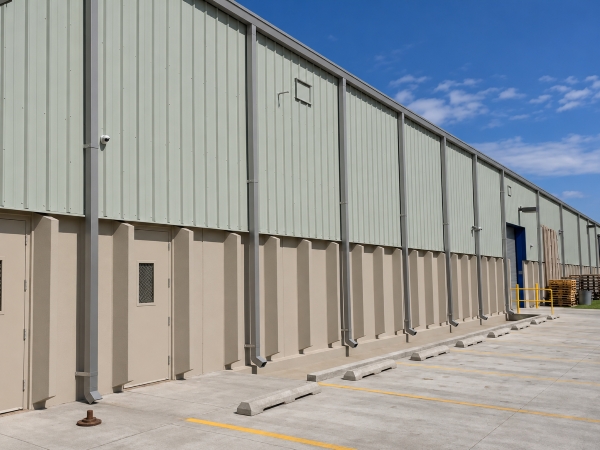
Commercial gutters in Lansing, MI, need to collect water from the roof, carry it through properly sized outlets and downspouts, and discharge it where runoff will not create problems for entrances, pavement or the building. A useful project scope therefore covers roof drainage area, gutter capacity, attachment, edge detailing and the final discharge route, not just the length of new gutter.
JM Roofing Solutions provides commercial gutter work for commercial properties in its Michigan service area, including Lansing. Its related work includes commercial roof repairs and maintenance, acrylic coatings and restoration, and spray foam roofing. For a building-specific discussion, call (833) 466-5325.
Why Commercial Gutters Matter in Lansing
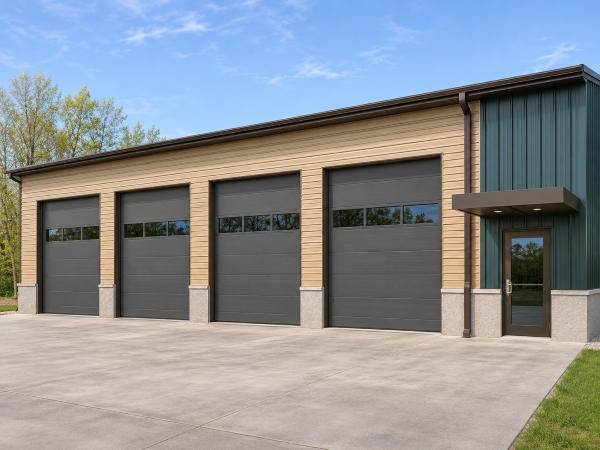
Roof drainage design starts with how water reaches the gutter. A low-slope roof may use internal drains and scuppers rather than an exposed gutter around every edge. Where an external gutter is appropriate, its cross section, slope, outlet positions and downspout sizes should work together. An added downspout may solve a bottleneck in one section, but it cannot compensate for an outlet that remains obstructed or a discharge line without an acceptable destination.
Lansing weather adds several different demands. Spring rainfall and snowmelt can reveal undersized outlets or poor pitch. In winter, snow sliding toward an exposed roof edge, refreezing meltwater and blocked outlets can load a gutter or create slippery conditions below. A proposal should identify where those conditions are plausible on the actual building and explain the applicable structural and drainage details rather than promising that a gutter change will prevent all ice.
Signs a Commercial Gutter System Needs Attention
- Water spilling over the front of the gutter during moderate rain
- Gutters pulling away from the fascia or sagging between brackets
- Staining, erosion or standing water near downspout outlets
- Ice buildup at the roof edge or along walkways
- Rust, open seams or recurring leaks at joints
- Debris and standing water inside the gutter
Overflow does not prove a gutter is too small. A blocked outlet, improper slope, a downspout restriction or water bypassing the back edge can produce similar symptoms. The source should be distinguished before the scope calls for more capacity or full replacement. Building owners can note where water appears from a safe ground-level location, but elevated roof and ladder access should be handled by qualified personnel.
How to Scope a Commercial Gutter Project
A useful scope turns general promises into specific items. Use this table to compare quotes and to check that each proposal addresses the same conditions.
| Scope item | What to assess | Why it matters in Lansing | What the quote should confirm |
|---|---|---|---|
| Capacity and roof area | Roof area draining to each run, gutter size and the number and size of downspouts | Undersized systems overflow in heavy rain and during fast snowmelt | How capacity was determined and what size and layout are proposed |
| Downspouts and discharge | Where water exits, whether it crosses entrances or parking, and whether an approved stormwater connection or discharge area is available | Poor discharge causes ice, erosion and foundation moisture | Discharge points, extensions and any tie-in to storm drainage |
| Attachment and fascia | Condition of fascia, roof edge and fasteners, plus the loads the gutter carries | Gutters fail where attachment is weak or the edge is rotted | Attachment method, spacing and any edge repairs included |
| Roof edge and flashing | How the roof membrane or panel meets the gutter | Water can get behind a gutter that does not integrate with the edge | Edge details and who coordinates them with the roof |
| Snow and ice exposure | Where snow slides, ice forms and meltwater refreezes | Lansing winters load gutters with snow and ice | How the proposed supports and edge details account for applicable roof and site loading, with a plan for exposed snow and ice conditions |
| Material and finish | Material, gauge and finish suitable for the building | Material affects durability, appearance and repair options | Material specification, gauge and manufacturer or supplier details |
| Access and maintenance | How gutters will be reached, cleaned and inspected | Debris buildup is a common cause of overflow | Access plan and cleaning or inspection recommendations |
Repair, Replacement or Added Capacity?
Cleaning, clearing outlets and correcting attachment can be appropriate when the gutter remains serviceable. Isolated damage may warrant replacing one section, connector or downspout rather than the whole run. A consistently undersized drainage layout, repeated failures or extensive corrosion may justify replacing the run, relocating outlets or adding capacity. The property-specific findings, not age alone, should determine the proposal.
Ask whether the existing slope can be corrected without compromising the roof edge, and whether replacing a section will create a compatible connection to the remaining gutter. Where attachment framing or edge metal is deteriorated, the proposal should identify who evaluates and performs that separate work. Ask whether needed framing, carpentry or structural work is part of the gutter proposal or must be arranged separately.
Gutters and the Roof Work Around Them
Commercial gutters should be evaluated as part of the building’s drainage path, including the roof edge, scuppers where present, and any adjacent internal drains. Water behind the gutter can come from flashing, an edge detail or another roof defect rather than gutter capacity alone. For broader roof conditions, see JM’s roof maintenance in Lansing article and its commercial roof repairs in Lansing page.
If gutters and roofing work are planned together, ask who coordinates the edge details and in what order the work happens, so one trade does not damage the other’s work.
Before approving edge work, have the contractor explain whether the roof covering or flashing must be temporarily disturbed, how it will be protected during installation and how the completed connection will be checked. The gutter and roof details should form one drainage path; a new gutter cannot compensate for water entering behind defective flashing.
What to Check at Project Closeout
Ask for a walkthrough of the installed gutter and downspout route, including outlets, support points, slope, end caps, joints and discharge locations. A controlled flow check, when site conditions permit, may reveal obvious backflow, leakage or standing water; it is not a substitute for verifying design capacity in a major storm. Record any incomplete edge work or site-drainage connections and who is responsible for completing them.
The handoff should distinguish gutter work from any storm drain, grading, pavement or structural work excluded from the contract. A downspout that discharges onto a walking surface may need a different route, but the final location depends on the site and any applicable drainage requirements. Do not assume runoff may be directed onto neighboring property or into a storm connection without approval.
Planning Gutter Work for an Occupied Property
- Agree on work areas and hours with the property manager and tenants
- Set safe work-zone barriers around entrances, pedestrian routes and parked vehicles below elevated work
- Plan how debris and old material are removed
- Check how downspout changes affect drainage on the site
- Confirm what documentation you will receive at completion
Working With JM Roofing Solutions
For commercial gutter work in Lansing, JM Roofing Solutions can be reached at (833) 466-5325. A useful proposal should name the drainage areas, gutter and downspout layout, supports, roof-edge coordination, material selection, discharge destination, exclusions and final checks. For related work on the roof itself, see JM’s commercial roofing services in Lansing.
Frequently Asked Questions
How often should commercial gutters be cleaned?
It depends on nearby trees, roof debris and weather. Many properties check them in spring and fall and after major storms, so set a schedule based on what collects in yours.
Can damaged gutters be repaired instead of replaced?
Often, if the damage is localized and the rest of the system is sound. Widespread corrosion, detachment or undersizing usually points toward replacement or added capacity.
What affects commercial gutter capacity?
Roof area, gutter size, the number and size of downspouts, slope and local rainfall. Ask how capacity was determined in any quote.
Do gutters matter for winter ice?
Yes. Poor discharge and blocked gutters can contribute to ice at edges and walkways, so discharge points and snow exposure belong in the scope.