
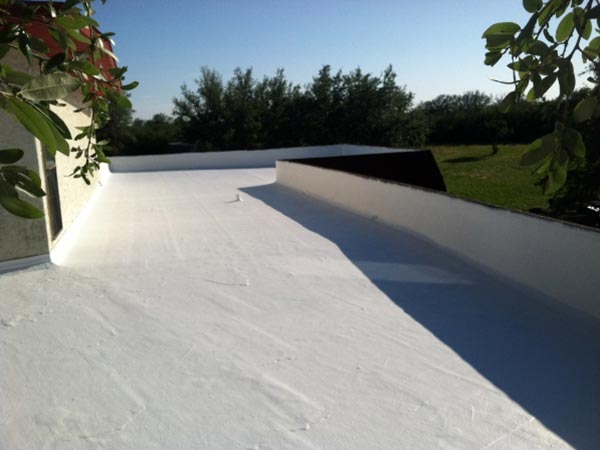
A flat roof coating is a liquid-applied restoration layer that cures into a continuous surface over a prepared low-slope roof. For a Lansing commercial building, coating may be appropriate when the existing roof, substrate, moisture condition, drainage and compatibility support restoration. The scope should address preparation, repairs, adhesion, application requirements and weather conditions. This guide walks through what a flat roof coating project should include and what to ask for in writing.
JM Roofing Solutions provides acrylic coating and restoration services along with commercial roof repair and maintenance work in Michigan. The foam and coatings page describes its coating and foam services.
What a Flat Roof Coating Does
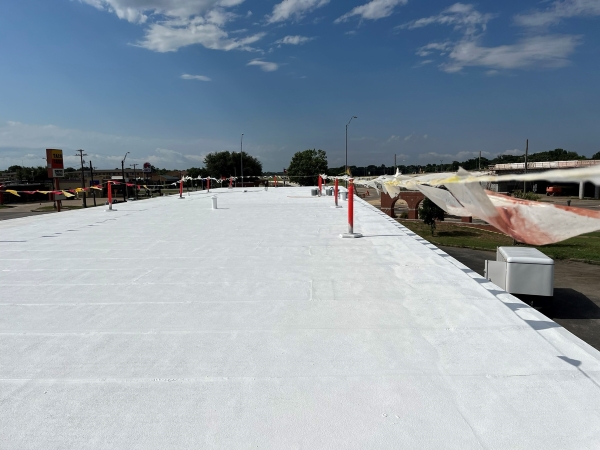
A coating adds a protective surface over a prepared roof. Depending on the selected system, it can help weatherproof compatible details, reduce surface exposure and provide a reflective finish. Energy effects depend on the building, so treat them as a possible benefit, not a promise.
A coating does not by itself correct concealed wet materials, deteriorated decking, failed details or drainage problems that cause recurring ponding. Those conditions need to be found and addressed before any coating goes on.
Is Your Flat Roof a Coating Candidate?
- Moisture and substrate: the roof assembly does not show conditions that make coating unsuitable without additional repair or investigation
- Surface condition: weathering or aging is within a scope that can be prepared and restored rather than requiring broader replacement work
- Adhesion: the prepared surface and selected coating system can achieve the required bond
- Drainage: drains, scuppers, slope and low areas are evaluated separately from the coating itself
- Compatible substrate: the existing material is compatible with the selected acrylic restoration system after moisture, adhesion and surface-preparation requirements are evaluated
If deterioration, moisture, attachment or substrate problems are broad, replacement or another larger repair scope may need to be compared. Our roof restoration in Lansing page explains restoration more broadly, and our roof leak detection in Lansing page covers tracing leaks before coating.
How a Flat Roof Coating Project Should Be Specified
Preparation and application details are important because a coating system depends on the condition of the surface beneath it and on meeting the selected system’s requirements. Use this table to check that a proposal covers each stage.
| Stage | What it should cover | What to ask for in writing |
|---|---|---|
| Condition assessment | Where the roof is dry, where it is wet, and what the surface is made of | Written findings with photos and a plan of problem areas |
| Surface preparation | Cleaning method, removal of loose material, and treatment of mold or biological growth | What is cleaned, how, and how the surface will be checked before coating |
| Repairs before coating | Seams, flashings, cracks, punctures and failed sealant | A list of repairs and the materials used, so coating does not cover defects |
| Adhesion check | A test of how the coating bonds to the existing surface | Whether a test patch or adhesion test is part of the scope and who evaluates it |
| Primer and coating system | Product, primer if required and compatibility with the existing roof | Product names and the manufacturer’s data sheet requirements |
| Thickness and coverage | Number of coats, coverage rate and dry film thickness the manufacturer requires | Specified thickness and how it will be verified across the roof |
| Weather and cure | Temperature, humidity and rain limits during application and cure | The application window and a plan for delays |
| Drainage and ponding | Low spots, drains, scuppers and edges | How ponding is handled, since a coating does not correct slope |
| Final inspection and records | Coverage, edges, penetrations and any missed areas | Photos, a closing report and the warranty terms, if any, in writing |
If a proposal omits a stage such as adhesion evaluation, repair preparation or application requirements, clarify whether that work is excluded or addressed elsewhere. Proposals should be compared by scope rather than price alone.
Lansing Weather and Application Timing
Lansing roofs can face snow, spring meltwater, summer heat and repeated freezing and thawing. Liquid-applied coatings have temperature and moisture limits during application and cure, so the work window is set by the manufacturer’s instructions, not by the calendar. A contractor should be able to explain when the work can be done correctly and what happens if the weather turns.
Recurring standing water after thaw should be evaluated during the assessment because coating does not change roof slope or correct the underlying drainage condition.
Coating Compared With Other Options
Coating may suit a roof whose moisture, substrate, adhesion, drainage and compatibility conditions support restoration. Targeted repair may suit localized defects, while broad moisture, deterioration or substrate problems can justify comparing replacement. Our flat roofing contractors in Lansing page explains how low-slope roof options compare. Whatever the choice, ask for the findings and the reasoning in writing.
Flat Roof Coating in Lansing, MI
A coating project should start with documented roof conditions and end with a review of the completed scope and project records. JM Roofing Solutions provides acrylic coating and restoration services for commercial properties in Michigan.
Frequently Asked Questions
Can any flat roof be coated?
No. Coating candidacy depends on moisture, substrate condition, adhesion, drainage, compatibility and the extent of existing defects. Some roofs require repair or a broader replacement scope first.
How thick should a flat roof coating be?
Application requirements are set by the selected coating system and should be documented in the scope, including how coverage or thickness will be checked where applicable.
Does a coating stop ponding water?
No. A coating does not change roof slope or correct the drainage condition that causes recurring ponding. Drainage should be evaluated separately in the scope.
When can a flat roof be coated in Michigan?
When roof-surface and weather conditions meet the selected system’s application and cure requirements. The proposal should explain how weather delays or interrupted work will be handled.