A commercial roof is one of the most critical structural systems protecting a business, and understanding its condition starts with a professional roof inspection. In Grand Rapids, MI, JM Roofing Solutions works exclusively with commercial properties, helping building owners and facility managers evaluate roof performance, risks, and next steps. When questions come up about roof condition or post-storm concerns, our team is reachable at (269) 361-8305 to provide clarity through detailed inspections that support informed decisions rather than guesswork.
The Purpose Behind Commercial Roof Inspections
A commercial roof inspection is not about selling repairs or replacements. Its primary role is to assess how the roofing system is functioning as a whole. Commercial roofs experience different stressors than residential systems due to size, equipment loads, drainage complexity, and exposure to foot traffic.
An inspection identifies vulnerabilities before they interrupt operations. Water intrusion, insulation saturation, membrane wear, or drainage inefficiencies can all develop gradually. Without an inspection, these issues often remain hidden until they affect interior spaces, inventory, or building systems.
What Happens During a Professional Roof Inspection?

A commercial roof inspection follows a structured evaluation process designed to capture both visible and underlying conditions. Each inspection typically includes several key stages.
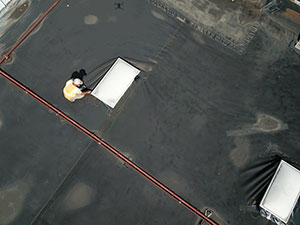
The process begins with a visual assessment of the roof surface. Inspectors look for membrane separation, punctures, surface deterioration, and signs of water movement. Attention is paid to seams, flashing, penetrations, and transitions, as these areas are common failure points on flat and low-slope roofs.
Drainage components are evaluated next. Internal drains, scuppers, and gutters are checked to ensure water flows away from the roof efficiently. Poor drainage can lead to standing water, which accelerates material breakdown and increases structural stress.
The inspection also considers rooftop equipment. HVAC units, exhaust fans, and service walkways are reviewed to identify damage caused by vibration, heat exposure, or foot traffic. These elements often influence roof lifespan and performance in commercial settings.
Finally, findings are documented. A professional inspection results in clear observations that outline current conditions, areas of concern, and potential risks, allowing property owners to plan logically rather than reactively.
Timing Matters for Commercial Buildings
Knowing when to schedule a roof inspection is just as important as knowing what it involves. Commercial buildings benefit from inspections tied to specific events or decision points rather than arbitrary schedules.
After severe weather events, inspections help determine whether wind, hail, or heavy rain has compromised the roofing system. Damage is not always immediately visible from inside the building, making post-event inspections especially valuable.
Roof inspections are also critical during property transactions. Buyers, sellers, and investors rely on inspection data to understand roof condition, remaining service life, and future capital planning. An inspection provides transparency and reduces uncertainty during negotiations.
Seasonal transitions are another practical trigger. Before winter or after freeze-thaw cycles, inspections help identify vulnerabilities that could worsen under temperature fluctuations and snow loads common in Michigan.
Commercial Roof Types and Inspection Considerations
Different commercial roofing systems require different inspection approaches. Flat and low-slope roofs often rely on membranes such as TPO, EPDM, or modified bitumen, each with distinct aging patterns and failure indicators.
Inspections account for how these materials respond to UV exposure, foot traffic, and environmental conditions. Seams, adhesives, and flashing systems are evaluated in context rather than isolation, ensuring the inspection reflects real-world performance.
Metal and coated systems also require careful review of fasteners, expansion points, and protective layers. A thorough inspection considers how each component contributes to the roof’s ability to protect the building long term.
Operational Impact of Skipping Inspections
Without inspections, small issues often escalate unnoticed. Moisture trapped beneath membranes can compromise insulation, increase energy costs, and create interior humidity problems. Drainage failures can strain structural components. Equipment-related damage may spread beyond localized areas.
Commercial buildings depend on predictability. Inspections reduce uncertainty by replacing assumptions with documented observations. That clarity is what allows businesses to operate without disruption caused by avoidable roof failures.
Thorough Roof Inspection Services
For commercial property owners in Grand Rapids, MI, a professional roof inspection provides clarity, control, and confidence in decision-making. JM Roofing Solutions approaches inspections as an analytical process, not a sales exercise, helping businesses understand their roofing systems in practical terms. When inspection findings guide planning instead of surprises, roofs become manageable assets rather than unpredictable liabilities. To discuss inspection needs or schedule an evaluation, call (269) 361-8305 and get straightforward insight into your commercial roof’s condition.
FAQ
What is included in a commercial roof inspection?
Surface condition, drainage systems, seams, flashing, penetrations, and rooftop equipment are evaluated.
Are roof inspections only for older buildings?
No, inspections are valuable for new, aging, and recently purchased commercial properties.
Do inspections disrupt business operations?
Most inspections are non-intrusive and completed without interrupting daily operations.
Is documentation provided after the inspection?
Yes, inspections include documented findings to support planning and decision-making.