
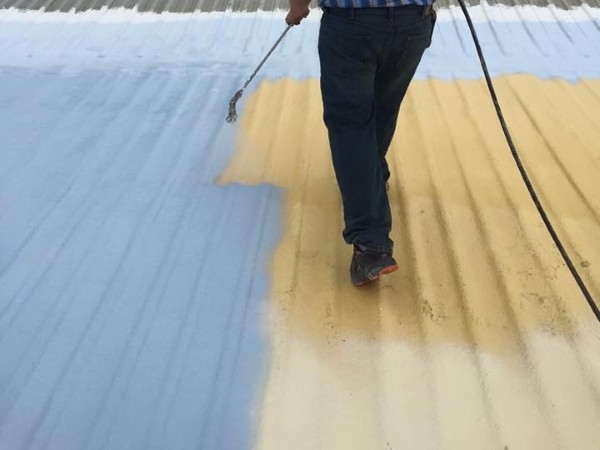
Spray foam roofing can be a practical option for some commercial buildings in Hastings, MI, but it should be selected after the existing roof, substrate, moisture, drainage, rooftop use, and project conditions are evaluated. JM Roofing Solutions confirms Spray Foam Roofing as an active commercial service and serves Michigan properties within its approved service area.
The useful question is not whether spray polyurethane foam has general advantages. It is whether the specific building is a suitable candidate for a spray-applied roof system and whether the owner understands the preparation, protective coating, access, and maintenance requirements that come with it.
What Spray Foam Roofing Is
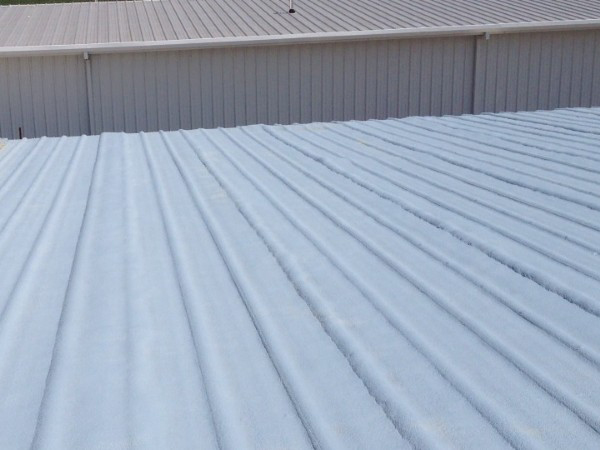
Spray polyurethane foam, often called SPF, is applied as a liquid and expands to form a rigid foam layer. A protective coating is then installed over the foam to help shield it from ultraviolet exposure, weather, and normal service conditions. Because the material is spray-applied, it can conform around many roof shapes and penetrations without relying on field seams between large membrane sheets.
The foam layer also contributes insulation value within the roof assembly. That can be useful when insulation performance is part of the project goal, but it should not be treated as a guaranteed reduction in whole-building energy use. HVAC operation, existing insulation, air leakage, occupancy, roof condition, and other building factors still matter.
Conditions to Review Before Specifying Spray Foam
The table below is a screening guide, not a substitute for a project-specific assessment. A contractor should confirm the actual conditions before recommending spray foam for a commercial roof.
| Condition | May Support a Spray Foam Scope | May Require Repair or Another Approach First |
|---|---|---|
| Existing roof and substrate | A surface that can be properly prepared and is suitable for the proposed foam system. | Wet materials, deteriorated decking, loose components, or incompatible surfaces that need correction or further investigation. |
| Roof geometry | Multiple penetrations, transitions, or shapes that can benefit from a spray-applied system. | Conditions where another roof assembly better matches attachment, drainage, service access, or project requirements. |
| Rooftop traffic | Traffic is limited or can be managed with appropriate protection and service paths. | Frequent uncontrolled traffic creates a higher risk of surface damage that has not been addressed in the design. |
| Installation conditions | The project can be scheduled when the selected materials can be installed within their specified environmental and surface conditions. | Surface moisture, unsuitable weather, or other site conditions prevent the specified system from being applied correctly. |
Moisture and Drainage Need Separate Attention
Spray foam should not be used to conceal unresolved moisture. If insulation, decking, or another part of the existing assembly may be wet or deteriorated, that condition needs to be investigated before the final scope is set. The contractor should identify what can be confirmed during the initial assessment and what remains unknown without additional testing or removal.
Drainage also deserves its own review. A spray-applied system can be shaped during installation, but it should not be presented as an automatic solution for every low area, blocked outlet, structural depression, or drainage defect. Drains, scuppers, slope, and areas where water collects should be evaluated as part of the project.
Preparation Matters Before Foam Is Applied
Spray foam needs a properly prepared surface. Depending on the existing roof and selected system, preparation may involve cleaning, removal of loose or incompatible materials, localized repairs, treatment of damaged areas, or other work required by the project specification.
JM Roofing Solutions provides spray foam and coating services for commercial roofing. The proposal should explain which existing surface will receive the foam, what preparation is included, and which conditions could change the scope after work begins.
Protective Coating Is Part of the System
The coating over spray foam is not an optional finish. It is part of the roof system and helps protect the foam beneath it. Property owners should ask which coating system is proposed, how penetrations and roof edges will be detailed, and how the finished surface should be maintained.
Some SPF roofs may be candidates for recoating later in their service life, but there is no universal interval that applies to every roof. Timing depends on the installed coating, exposure, maintenance history, rooftop traffic, warranty requirements, and the condition found during inspection.
Rooftop Use Can Affect Suitability
A roof with HVAC units, exhaust equipment, or other regularly serviced components may experience more foot traffic than a roof with little rooftop activity. Spray foam can still be considered, but service paths, protection, and maintenance access should be addressed in the project design rather than ignored.
If rooftop work by other trades damages the protective surface, the affected area should be evaluated and repaired appropriately. The owner should know how future service work will be coordinated so the roof is not repeatedly damaged after installation.
When Another Roofing System May Make More Sense
Spray foam is not the right answer for every building. A different approach may be more appropriate when the existing roof has extensive moisture, deteriorated decking, incompatible materials, unresolved drainage, attachment concerns, or operating conditions that do not fit the proposed foam system.
The comparison should be based on the complete roof assembly and project scope rather than a single feature such as seam count or insulation value. An honest recommendation should explain why spray foam fits the observed conditions or why another system should be considered.
Existing SPF Roofs Need a Different Decision
A building that already has an SPF roof presents a different question from a building considering foam for the first time. Existing foam and coating condition, prior repairs, surface wear, moisture, and remaining serviceability all affect whether maintenance, localized repair, recoating, or a larger restoration scope is appropriate.
JM Roofing Solutions has a separate article about spray foam roofing restoration for an existing SPF roof. That restoration decision should not be confused with the initial suitability assessment covered here.
Spray Foam Roofing in Hastings, MI
For a Hastings commercial building, spray foam roofing should be specified only after the existing roof, substrate, moisture, drainage, rooftop use, preparation needs, and installation conditions are reviewed. The proposal should explain why the system fits the building and what work is required before and after application.
Contact JM Roofing Solutions at (833) 466-5325 to discuss whether spray foam roofing should be considered for the property.
Frequently Asked Questions
Is spray foam roofing right for every commercial building?
No. Suitability depends on the existing roof, substrate, moisture, drainage, rooftop use, preparation requirements, and whether the selected system can be installed under appropriate conditions.
Can spray foam be installed over an existing roof?
Sometimes. The existing assembly must be evaluated for moisture, deterioration, compatibility, attachment, and other project-specific conditions before a recover approach is selected.
Does a spray foam roof need ongoing maintenance?
Yes. The protective coating, penetrations, drainage areas, traffic zones, and any later damage should be monitored as part of an appropriate maintenance plan.
When might another roof system be a better choice?
Another system may be more appropriate when moisture, deck condition, drainage, substrate compatibility, attachment needs, or rooftop use make the proposed spray foam assembly unsuitable.