
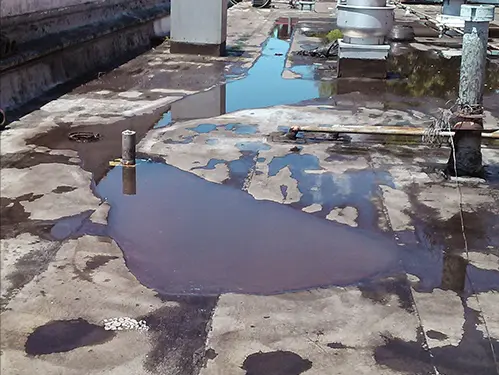
Regular commercial roof maintenance works best when inspection findings turn into specific actions, dates, and follow-up decisions. A practical maintenance plan assigns each finding a priority, records what was completed, and sets the next review point. JM Roofing Solutions serves commercial properties within its Michigan service area. Call (833) 466-5325 to discuss a commercial roof maintenance plan.
Benefits of Regular Roof Maintenance
Prevents Costly Roof Repairs
Routine inspections can identify developing problems at seams, flashing, penetrations, drainage areas, and other roof details before they become harder to manage. The goal is not to promise that maintenance prevents every leak. It is to find changes early and decide whether they need immediate repair, scheduled work, or continued monitoring.
JM Roofing Solutions’ maintenance and repairs program includes regular checks, repairs, reports, photographs, and recommendations so building owners can keep a record of roof condition and completed work.
Extends the Lifespan of the Roof

A commercial roof is a major building asset, and maintenance helps protect that investment by addressing wear before it spreads. Roof age, system type, weather exposure, foot traffic, drainage performance, and prior repairs all affect what needs attention. Correcting localized defects and documenting changing conditions can help the roof remain serviceable while improving long-term planning.
Improve Energy Efficiency
Roof condition can affect the building enclosure, but maintenance should not be presented as a guaranteed utility-bill reduction. Inspections can identify open seams, damaged insulation areas, failed seals, or other conditions that may affect roof performance. Repairs should be based on the actual roof assembly and findings.
Protect the Building and Support Documentation

A roof maintenance record can help a facility manager track leaks, drainage issues, membrane wear, flashing repairs, and other changes over time. Photos, dates, repair invoices, inspection reports, and follow-up notes create a useful history for budgeting and future maintenance decisions.
Insurance policies and manufacturer warranties vary. Review the specific policy or warranty requirements for the building, then make those requirements part of the maintenance calendar. JM Roofing Solutions’ commercial roofing FAQ also notes that maintenance and inspection decisions should reflect the roof system, condition, and applicable warranty terms.
Turning Inspection Findings Into a Maintenance Schedule
A useful schedule separates safe owner observations from work that belongs to a roofing contractor and gives every finding a follow-up trigger.
| Timing or Trigger | Safe Owner or Facility Observation | Contractor-Level Work | Follow-Up Decision |
|---|---|---|---|
| Spring planning checkpoint | Review winter leak reports, interior stains, work orders, and known drainage complaints | Inspect drains and scuppers, seams, flashing, penetrations, membrane condition, and repaired areas | Repair active defects, schedule non-urgent work, or document stable items for reinspection |
| After severe wind, hail, or heavy rain | Check interior spaces for new leaks or stains and note visible exterior damage from the ground | Evaluate storm-affected roof areas, penetrations, flashing, drainage, and suspected impact damage | Escalate active water entry or safety concerns; otherwise document findings and set a repair date |
| Fall planning checkpoint | Review open maintenance items and recurring problem locations before winter | Recheck drainage, seams, flashing, repairs, roof-mounted equipment areas, and moisture concerns | Complete weather-sensitive repairs or establish a documented winter monitoring plan |
| Ongoing between visits | Record dates, locations, photos, interior symptoms, and operational impacts when something changes | Review reported changes and determine whether an earlier professional visit is needed | Move the item to immediate repair, scheduled repair, or monitor and reinspect |
Use Priority Levels for Every Finding
Immediate repair covers active leaks, unsafe conditions, or defects likely to worsen quickly. Scheduled repair covers confirmed issues that are not urgent but need correction within a defined timeframe. Monitor and reinspect covers stable conditions that do not yet justify repair but should be photographed, dated, and compared at the next visit.
Each record should identify the roof area, observed condition, recommended action, responsible party, target date, completion date, and next review date. This turns the inspection into an operating document instead of a one-time report.
Adjust the Schedule to the Roof and Its History
There is no single inspection interval that fits every commercial roof. The schedule should account for roof type, age, warranty requirements, prior leaks, rooftop traffic, drainage history, exposure, and severe weather. Spring and fall are useful planning checkpoints for many Michigan facilities, but the actual frequency should follow the building’s conditions and any applicable manufacturer requirements.
JM Roofing Solutions maintains commercial roof inspection resources covering seams, flashing, drainage, moisture concerns, and other inspection priorities.
Know When Maintenance Should Lead to a Bigger Decision
Recurring leaks, widespread moisture, repeated seam failures, deteriorated insulation, or structural concerns may justify a broader evaluation for restoration or replacement. That decision should come from documented roof condition, not from a preset age or a single symptom.
Build a Maintenance Record You Can Use
Regular roof maintenance is most valuable when every inspection produces clear priorities, completed actions, and a next review date. Keep the records together and update the plan after storms or significant repairs. Call JM Roofing Solutions at (833) 466-5325 to discuss commercial roof maintenance within its Michigan service area.
Frequently Asked Questions
How often should a commercial roof be inspected?
The interval should reflect the roof system, age, condition, warranty requirements, maintenance history, and severe weather exposure. Many owners use spring and fall as planning checkpoints and add inspections after significant storms.
What can building staff safely monitor between professional inspections?
Staff can document interior leaks or stains, dates, photos, and visible exterior changes from safe ground-level locations. Roof access, seam and flashing evaluation, and repair work should be handled by qualified roofing personnel.
What should happen to each item listed in an inspection report?
Assign it to immediate repair, scheduled repair, or monitor and reinspect, then record the responsible party, target date, completion evidence, and next review date.
Does regular maintenance guarantee that a commercial roof will not leak?
No. Maintenance helps identify developing issues earlier, but severe weather, impact, aging, and other conditions can still cause failures.