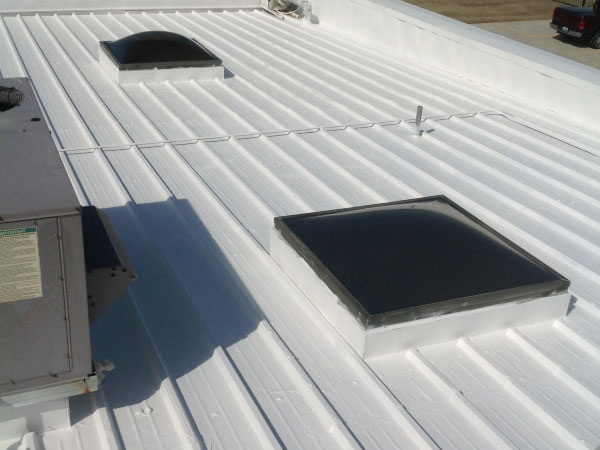
Acrylic roof coating can be a practical restoration option for some commercial roofs in Hastings, MI, but coating should follow a condition-based assessment rather than a blanket rule. The existing roof needs to provide a suitable base, and moisture, drainage, adhesion, seams, flashing, and substrate condition all affect whether restoration makes sense.
JM Roofing Solutions provides acrylic and elastomeric coating and restoration services for commercial roofs in Michigan. Property owners can call (833) 466-5325 to discuss whether an existing roof should be evaluated for coating.
What Acrylic Roof Coating Does
Acrylic roof coating is a liquid-applied protective layer used as part of a roof-restoration system. It can be applied over compatible existing roofing surfaces after the roof has been inspected, repaired where needed, cleaned, and prepared for the selected product.
The coating is not a substitute for a sound substrate. It can protect and renew a roof surface, but it should not be used to conceal saturated insulation, deteriorated decking, widespread seam failure, or other conditions that require repair or replacement first.
Is the Existing Roof a Good Coating Candidate?
Roof conditionDefects are localized and repairable, with a stable substrate remaining beneath the coating system.
| Condition to Check | What Supports Coating | What Needs Attention First |
|---|---|---|
| Moisture | No evidence that widespread trapped moisture is undermining the proposed restoration area. | Wet insulation, concealed moisture, or damaged decking that needs further investigation or removal. |
| Adhesion | The prepared surface is compatible with the selected coating and meets the system’s adhesion requirements. | Contamination, incompatible existing materials, or poor adhesion that has not been resolved. |
| Drainage | The roof drains as designed and the coating is compatible with the expected service conditions. | Recurring ponding or drainage defects that need separate correction rather than a surface-only treatment. |
| Widespread deterioration, rust-through, unstable materials, or structural damage that makes the roof unsuitable for restoration. |
Moisture Needs to Be Evaluated Before Coating
A surface can look dry while moisture remains elsewhere in the roof assembly. The appropriate investigation depends on the roof system, building conditions, and areas of concern. The contractor should explain what evidence supports leaving the existing assembly in place and whether additional moisture investigation is needed before restoration begins.
JM Roofing Solutions’ roof restoration guidance provides related context for comparing restoration with replacement when moisture, deck condition, or membrane deterioration may affect the decision.
Adhesion and Surface Preparation Are System Specific
Coating performance depends on proper surface preparation and compatibility. Dirt, oxidation, oils, chalking, previous coatings, sealants, and other contaminants can interfere with adhesion. Cleaning, primers, test patches, or other preparation may be required depending on the roof and the coating selected.
The written scope should identify the proposed coating system, preparation steps, repairs, primers when required, application rate or target thickness, and how the completed work will be checked.
Drainage Problems Need Their Own Solution
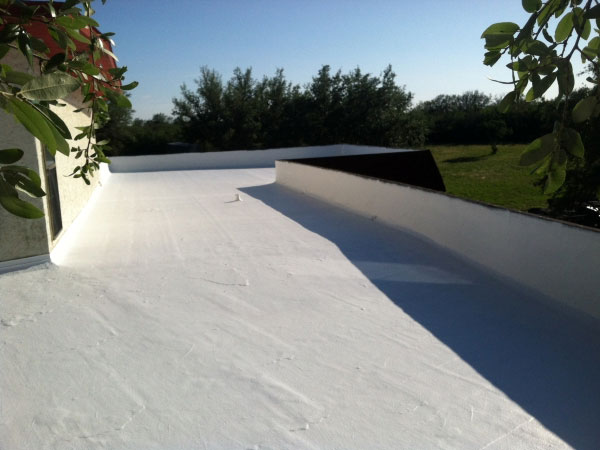
Coating does not create roof slope or automatically correct ponding. If water repeatedly collects on the roof, the cause may involve drains, scuppers, low areas, settlement, blocked outlets, or roof geometry. Those conditions should be evaluated separately.
The coating proposal should make clear whether any drainage corrections are included and whether standing water is expected to remain after the restoration work is complete.
Repairs Come Before the Coating
Open seams, damaged flashing, loose fasteners, punctures, deteriorated sealants, rusted areas, or other defects should be addressed before the coating is applied. The exact repair method depends on the existing roof system and the selected restoration specification.
For metal roofs, JM Roofing Solutions’ metal roof restoration page provides additional context for evaluating seams, fasteners, corrosion, and repair needs before a restoration system is installed.
Reflectivity Does Not Guarantee a Specific Energy Savings
Light-colored acrylic coatings can reduce roof-surface heat gain compared with darker surfaces, but that does not guarantee a specific reduction in utility costs. Insulation, HVAC performance, air leakage, roof area, building use, weather, and the complete roof assembly all affect actual energy performance.
JM Roofing Solutions’ roof coating guidance discusses reflective coating as part of a broader roof-restoration decision rather than as a stand-alone energy guarantee.
Recoating Is Based on the Installed System and Roof Condition
There is no universal number of years that applies to every acrylic coating. Recoating timing depends on the product, installed thickness, exposure, drainage, rooftop traffic, maintenance, repairs, observed wear, and any applicable warranty requirements.
Periodic inspections can document coating wear, damaged areas, seams, flashing, drainage, and other conditions so future maintenance or recoating decisions are based on the actual roof rather than a fixed calendar.
Roof Coating in Hastings, MI
For a Hastings commercial property, the coating decision should come down to evidence: whether the roof is dry enough to restore, whether the surface can support adhesion, whether drainage works as intended, and whether underlying defects can be repaired before application.
Call JM Roofing Solutions at (833) 466-5325 to discuss whether acrylic roof coating should be evaluated for the building.
Frequently Asked Questions
How do I know if my roof is a good candidate for acrylic coating?
A suitable candidate generally has a stable, compatible roof surface, repairable defects, manageable moisture conditions, and drainage that does not rely on coating to correct an underlying problem.
Does acrylic coating fix roof leaks by itself?
No. Active leaks, seam failures, flashing defects, punctures, or other causes of water entry should be identified and repaired before coating is applied.
How often does acrylic roof coating need to be reapplied?
There is no universal interval. The timing depends on the installed product, thickness, exposure, maintenance, roof condition, and applicable warranty requirements.
When is replacement a better choice than coating?
Replacement deserves stronger consideration when deterioration, trapped moisture, structural damage, or substrate failure is too extensive for a coating system to provide a reliable restoration base.